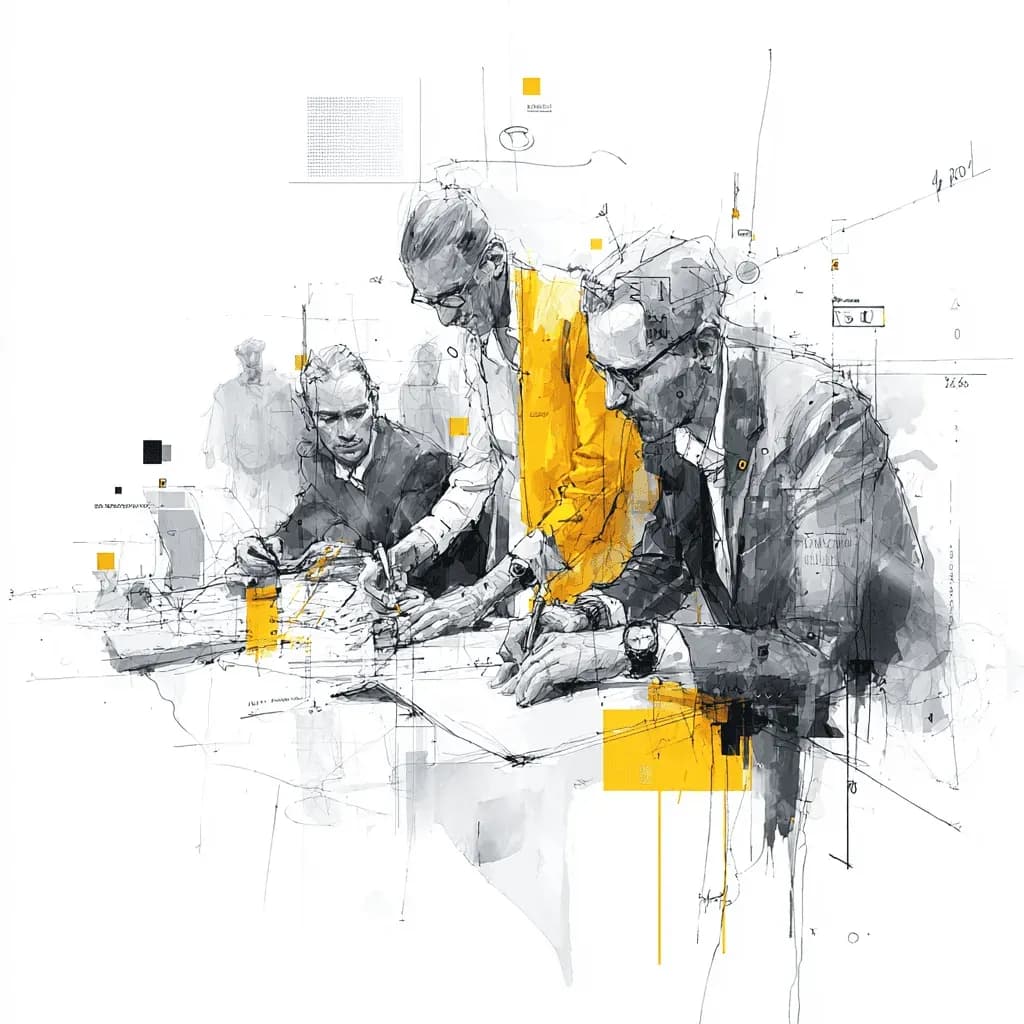
Artificial Intelligence is transforming the way companies operate, make decisions and generate value, but AI adoption is not just a matter of technology: it is an organisational matter. And the way we structure teams makes all the difference.
Many companies try to “delegate” activities to AI hoping for automatic efficiency, but without governance, rapid feedback, transparency and — above all — human accountability, the risk is not only ineffectiveness: it is the disconnection between AI, company values and the real needs of the customer.
As Miguel A. Lopez Gil writes in a recent article in The (Human x AI) Enterprise:
“Gen AI acts like a megaphone, amplifying whatever input it receives.”“Its impact depends entirely on how—and by whom—we manage it.”
Precisely for this reason, self-managed teams represent the ideal environment for growing a useful, controlled, ethical AI: they operate where information is richest, make rapid decisions, test solutions iteratively and, above all, take responsibility for their choices.
At FAIRFLAI, we support our clients’ teams with AI-driven projects that improve data governance, optimise processes and enable timely decisions. But it is when these solutions are adopted in genuinely empowered and distributed contexts that they show their full potential.
The contribution of Joost Schouten — an expert in self-managed organisations — during an event of the Corporate Rebels Academy (cited in the same article), highlights a crucial point:
“AI should begin with no authority, only gaining it explicitly over time, and always under human supervision to prevent unintended consequences.”
AI adoption and self-management are not two parallel tracks: they are a strategic combination. Organisations that bet on empowered and accountable teams not only accelerate AI integration, but build a more resilient, ethical and sustainable model.